What Type of Pool Filter is Best?
Poolie Team: Feb 28, 2024
A sand filter, cartridge filter, or Diatomaceous Earth (DE) filter can all keep your water clear, but each works best in different situations. The right choice depends on your pool’s size, the amount of debris it collects, and how much routine maintenance you’re willing to handle.
Here’s a closer look at how each one works.
How Do Sand Filters Work?
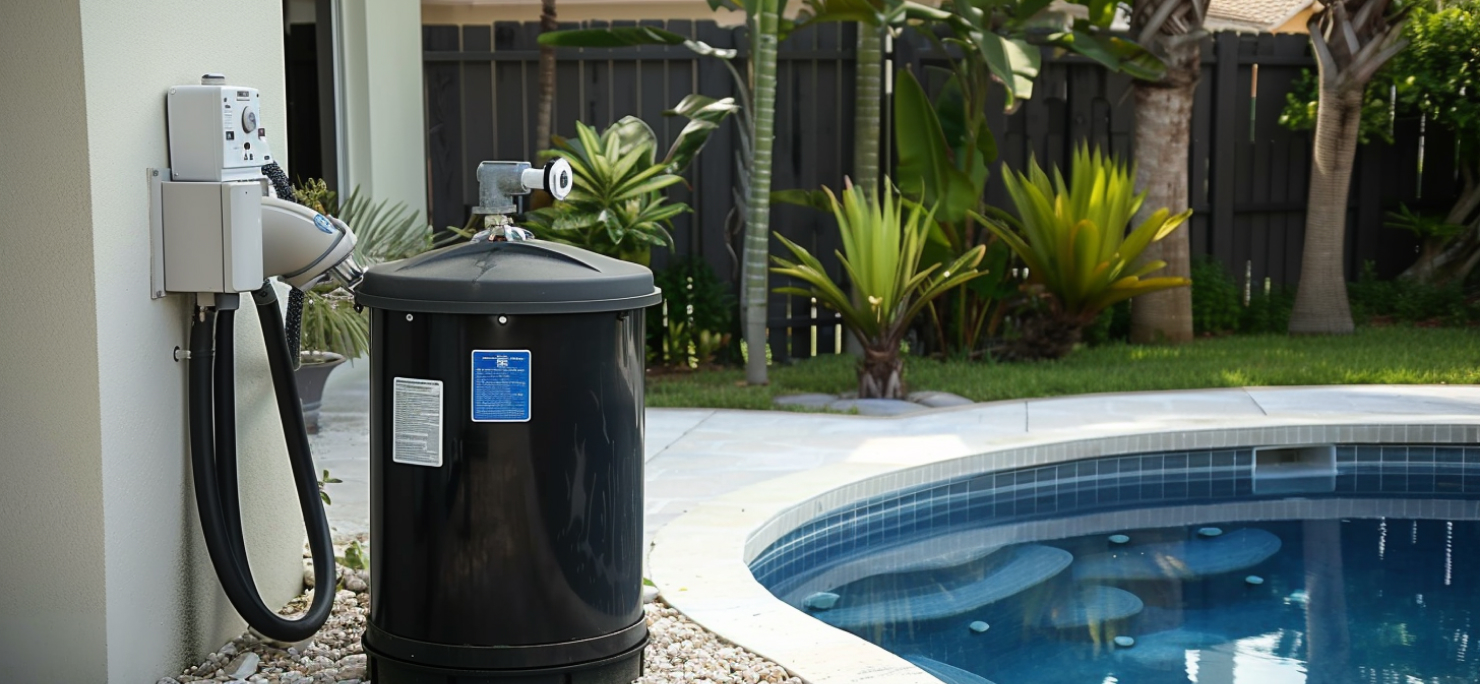
A sand filter pushes pool water through a tank of specially graded silica sand that traps dirt, debris, and other contaminants as water passes through. It’s the most common filter type on residential pools, and for good reason. The tank has no moving parts to wear out, and the sand itself typically lasts 5 to 7 years before it needs replacing.
Sand filters are generally affordable, durable, and relatively simple to maintain. You’ll know it’s time to clean them when the pool filter PSI reading on the pressure gauge hits 8-10 PSI above its clean, startup baseline. At that point, routine backwashing helps remove trapped debris to keep the system operating properly. This means running water backward through the tank to flush out what’s built up.
The tradeoff: sand only filters down to about 20-40 microns, so very fine particles can slip through and leave water looking slightly hazy even when it’s technically clean.
Good fit if: you want low-maintenance filtration and don’t mind slightly coarser filtration than cartridge or DE systems provide.
How Do Cartridge Filters Work?
Cartridge filters trap debris in a pleated fabric element instead of sand, providing finer filtration since the pleats have more surface area to catch fine debris. These filters also do the job without wasting water on backwashing, which matters in Texas, where several municipalities restrict water use during dry stretches. Skipping backwash cycles means less water is lost to the drought.
According to the Austin Water conservation program, local drought stages can limit how and when pool owners refill or top off their systems, so cutting backwash water loss is worth factoring into your decision.
Instead of backwashing, cartridge systems need the cartridge pulled and hosed off every few weeks, plus a full chemical soak once or twice a season. Most cartridges last 2-3 years before the pleats degrade and stop filtering effectively.
The tradeoff: cartridges need more frequent hands-on cleaning (pulled and hosed off every few weeks) and full replacement every 2-3 years.
Good fit if: you want finer filtration and lower water waste, and don’t mind a regular cleaning routine.
If you’re still weighing between sand and cartridge for your pool, a closer sand filter vs. cartridge filter comparison can help settle it.
How Do Diatomaceous Earth (DE) Filters Work?
Diatomaceous Earth (DE) filters provide the highest level of filtration among the three main filter types, capturing particles down to 3-5 microns using a powder made from the fossilized shells of diatoms.
DE filters use diatomaceous earth powder to capture very small particles that other filters may miss. It’s why pools that need showroom-clear water for events, resale, or a demanding aesthetic tend to run DE.
However, that clarity comes with a cost and requires more maintenance and closer monitoring than sand or cartridge systems. DE filters need their grids inspected regularly for tears, and the spent powder disposed of properly rather than washed straight into a storm drain. Texas regulations require backwash water containing DE to be treated or settled before discharge.
The tradeoff: DE filters need media recharged after every backwash, and spent powder requires proper disposal.
Good fit if: water clarity is non-negotiable and you’re willing to manage the extra maintenance (or have a pro do it).
Which Pool Filter Should You Choose?
While choosing the best pool filter typically depends on factors such as pool size, maintenance preferences, water usage, and filtration expectations, it isn’t as straightforward here in Texas.
Debris load is often the deciding factor. Live oaks in Austin and cedar pollen in the Hill Country can clog a sand filter fast, while a cartridge or DE system handles fine particulate better. Water conservation matters too. If you’re on drought restrictions, skipping backwash cycles adds up.
- Sand filters work well for straightforward residential pools where owners want low-cost, low-fuss upkeep and don’t need showroom-level clarity.
- Cartridge filters suit owners who want finer filtration and lower water waste, and who don’t mind a hands-on cleaning routine every few weeks.
- DE filters make sense for pools where water clarity is non-negotiable and the owner has the time (or a pool service) to manage the extra maintenance.
Commercial properties have less flexibility here. The CDC’s Model Aquatic Health Code sets minimum filtration and turnover rate standards for public and shared pools. This often pushes HOAs, apartment complexes, and hotels toward higher-performance systems regardless of preference and why facility managers often rely on commercial pool maintenance to stay compliant.
What Happens If You Choose the Wrong Filter?
A filter that’s undersized or mismatched for your pool’s debris load has to work harder to move the same volume of water. This strains the pump motor, shortens equipment life, and drives up energy costs – problems that often lead to equipment repair if left unaddressed.
It also shows up in the water itself. Algae blooms that come back faster than expected, or a pool skimmer line that stays dirty no matter how often you clean it, are all signs the filtration system isn’t keeping pace.
Filter troubleshooting is usually the first thing a technician checks when a customer calls about persistent cloudiness, since it’s often the root cause rather than a chemistry problem.
How Poolie Helps You Choose and Maintain the Right Filter
Every filter type comes with its own maintenance rhythm, filtration ceiling, and long-term cost profile. Being aware of those differences can help prevent unnecessary equipment strain, inconsistent water quality, and avoidable maintenance issues.
Pool filtration affects more than just water’s appearance. It’s tied directly to circulation efficiency, how often you’re cleaning, and how long your equipment lasts. A pump straining against a clogged or undersized filter wears out faster. A heater or salt cell working alongside poor circulation won’t perform the way it’s supposed to either.
If you’re not sure which system fits your pool, or your current filter isn’t keeping up, one of our Poolie technicians can walk your equipment pad, check your pump’s flow rate against your filter’s rated capacity, and recommend a setup that matches how you actually use your pool.
Fill out the form below to connect with Poolie and get help selecting and maintaining the right filter system for your property.
Join Our Tribe of Delighted Texas Pool Owners
Forget the hassle of pool maintenance.
Poolie’s team of professionals can keep your pool serene and inviting without you lifting a finger. We offer everything from detailed cleaning to emergency repairs and restoration.