
Poolie Team: Feb 28, 2024
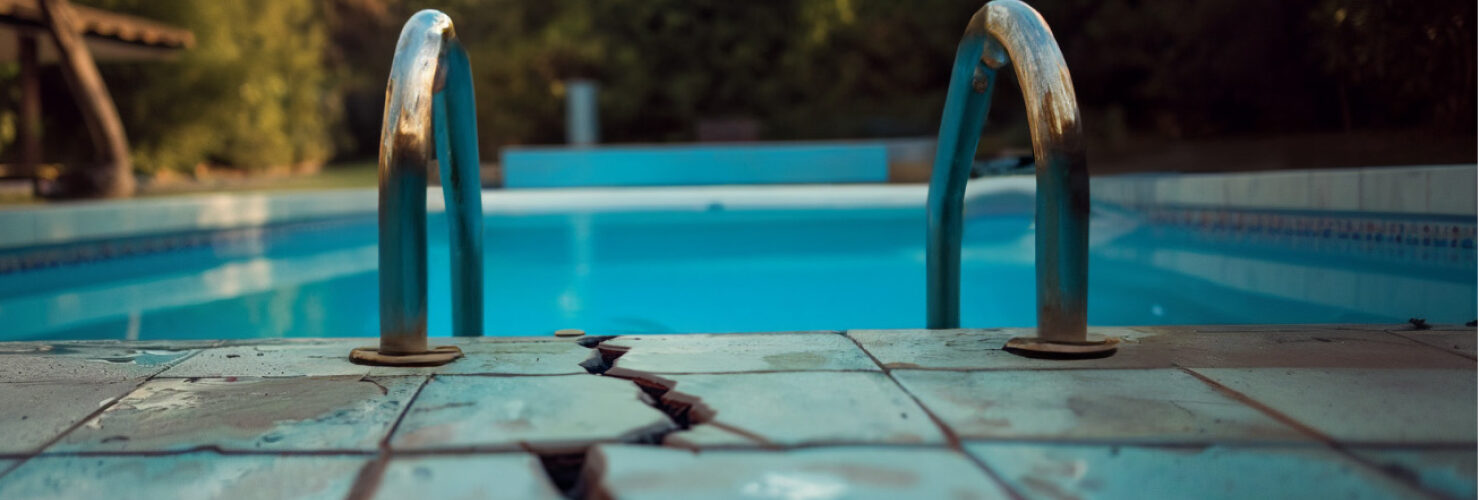
Pool cracks usually come from shifting soil beneath the shell, expansion and contraction from temperature swings, weak original construction, or water leaking into the surrounding ground. Small hairline cracks are often cosmetic, but cracks that grow, return, or leak water point to a structural issue that needs a professional evaluation before the damage spreads.
Pool cracks can appear gradually or suddenly show up without any warning. Some stay minor, but others are the first visible sign of something shifting underneath your pool. Knowing what typically causes cracking in pools helps you tell the difference and decide how fast you need to act.
What Causes Pool Cracks in Texas?
Most Texas pool cracks trace back to one of five things: moving soil, temperature stress, construction shortcuts, hidden leaks, or natural ground shifts.
Texas is especially crack-prone because much of the state sits on expansive clay, and pools deal with a wide swing between summer and winter temperatures every year. That combination puts more stress on a pool shell than milder, more stable climates typically do.
Here’s how each factor plays out.
1) Soil Settlement and Expansive Clay Soil
One of the most common causes of pool cracks is soil movement beneath the pool. Central and North Texas sit on expansive clay soils that swell when they absorb water and shrink when they dry out, and that constant movement pushes and pulls against the pool shell from below.
Pools installed on poorly compacted or unstable ground can be more vulnerable to structural stress and cracking, and the risk is higher anywhere clay content is high.
Cracking tends to show up first along the bond beam, the reinforced concrete band that runs around the top edge of the pool where it meets the pool deck.
2) Temperature Swings and Thermal Stress
Repeated expansion and contraction from changing temperatures can place stress on pool materials. In hotter conditions, pool surfaces and surrounding materials expand, while during colder periods, they contract, and the back-and-forth movement wears on the material over years.
In North Texas, average monthly temperatures swing from the low-to-mid 40s°F in January to the upper 80s°F in July and August.
Later on, this movement can contribute to surface cracking or structural stress, especially in older pools with plaster (pool plaster) finishes that have already lost some flexibility.
3) Construction or Installation Issues
Improper construction can increase the chances of cracks developing earlier than expected. Weak structural support, inadequate reinforcement, improper curing, or poor installation practices may affect how well the pool handles water pressure and ground movement over time.
Pools built to national construction and reinforcement standards tend to hold up longer under shifting soil conditions. Thin or unevenly poured gunite shells, missing rebar, or a rushed cure time are common culprits behind early cracking.
4) Water Leaks and Soil Erosion Beneath the Shell
Pool leaks can gradually weaken the surrounding soil. Water escaping through a crack or a fitting doesn’t just cost you on your water bill. As voids develop beneath or around the pool structure, sections of the shell may shift unevenly, increasing the risk of cracks.
If your pool is losing more than the typical evaporation rate, a bucket test can help confirm whether you’re dealing with a structural leak rather than normal water loss. Detecting and repairing leaks early can prevent additional structural movement.
5) Natural Ground Movement
Ground movement from shifting soil conditions or seismic activity can also affect pool structures. Texas sees far less seismic activity than fault-line states, but seasonal drought cycles create a similar effect on clay soil, alternately drying and rehydrating the ground your pool sits on.
While these conditions cannot always be prevented, regular inspections and proper structural support can help reduce the risk of major damage.
Addressing Pool Cracks Before They Get Worse
Now that you know what’s likely behind the crack, the next step is figuring out whether it’s something to watch or something to fix now. A few simple checks give you real information instead of guessing:
- Look at the soil around your pool for signs of settling or pulling away from the deck
- Track your water level for a couple of weeks to rule out unusual water loss
- Note the crack’s length and direction, and check back on it every week or two
If you notice a crack alongside a cloudy pool or unexplained water loss, get that checked out within the week. See our guide on how to clear up a cloudy pool for the difference between a chemistry issue and a structural one.
Get a Professional Evaluation Before a Crack Gets Worse
Cracks that continue growing or returning may require more than a surface patch solution.
Poolie evaluates the crack, the surrounding soil, and your pool’s structural history before recommending a fix. That could mean routine pool maintenance that catches shifts early, a pool repair evaluation for active cracks, or a full pool renovation for older, more extensive damage.
Fill out the form below to schedule a professional pool inspection with the Poolie team.