

Poolie Team: Mar 14, 2024
Dallas heat, storms, and long swimming seasons can put extra wear on your pool and its equipment. Small issues can also become more expensive to fix when they go unnoticed. Understanding the signs of trouble can help you address problems early and decide when a simple fix is enough and when it’s time to call a professional.
This guide covers the signs your pool needs attention, what repair typically involves, what can affect the cost, and how you and your service provider should approach the work.
How Dallas Weather Affects Your Pool
Dallas’s long, hot swimming weather can mean more hours of pool and equipment use, which makes regular inspections and maintenance matter a lot. Storms and shifting soil conditions add their own pressures on top of that, which is why staying alert to changes in your pool, rather than waiting for a visible problem, helps catch issues while they’re still small.
Pool Water Quality Issues
Pool water quality issues usually show up as cloudy or discolored water, an unusual smell, or algae that keeps coming back. Cloudy or discolored water, unusual odors, or recurring algae can point to a chemical imbalance, poor circulation, filtration issues, or another underlying problem, so a single symptom doesn’t always mean the same thing from one pool to the next.
According to Nova Scotia’s public health aquatic guidelines, higher water temperatures cause the primary disinfectant to be used up more rapidly, increasing the risk of reduced disinfection levels and microbial growth if it isn’t monitored closely. That’s part of why warm-climate pools like Dallas’s often need closer attention to chemical levels.
If your water shifts color or develops a strange smell, test your chemical levels. At-home kits give you a quick read, but a professional assessment can pin down whether the cause is environmental, chemical, or equipment-related, since each one needs a different fix.
Determine If Your Pool Has a Leak
To determine if your pool has a leak, run the bucket test: fill a bucket with water, mark the level, and set it beside your pool for a few days. If your pool loses noticeably more water than the bucket over that time, you may have a leak. Leaks can come from several sources, including the pool shell, the plumbing, or the equipment itself, not just the lining or underground pipes.
The Smart Home Water Guide, from the Arizona Municipal Water Users Association, walks through marking the water level inside the bucket and outside it on the pool, then comparing the two after a few days. Turn off any autofill device first, since it can mask a leak by topping off the water automatically. If the comparison points to a leak, it’s worth calling in a specialist with leak detection experience to help locate the source.
Cracks Forming in Dallas Pools
Cracks in your pool’s foundation, walls, or deck are a structural warning sign, not just a cosmetic one. According to the USDA’s Natural Resources Conservation Service, Texas’s clay-heavy soils shrink as they dry and swell as they get wet. That cycle puts stress on what’s built above it, including your pool, especially through Dallas’s pattern of dry spells followed by heavy rain.
A crack can worsen as the soil continues to expand and contract, so it’s worth having structural cracks assessed before the damage becomes more extensive.
Equipment Noises
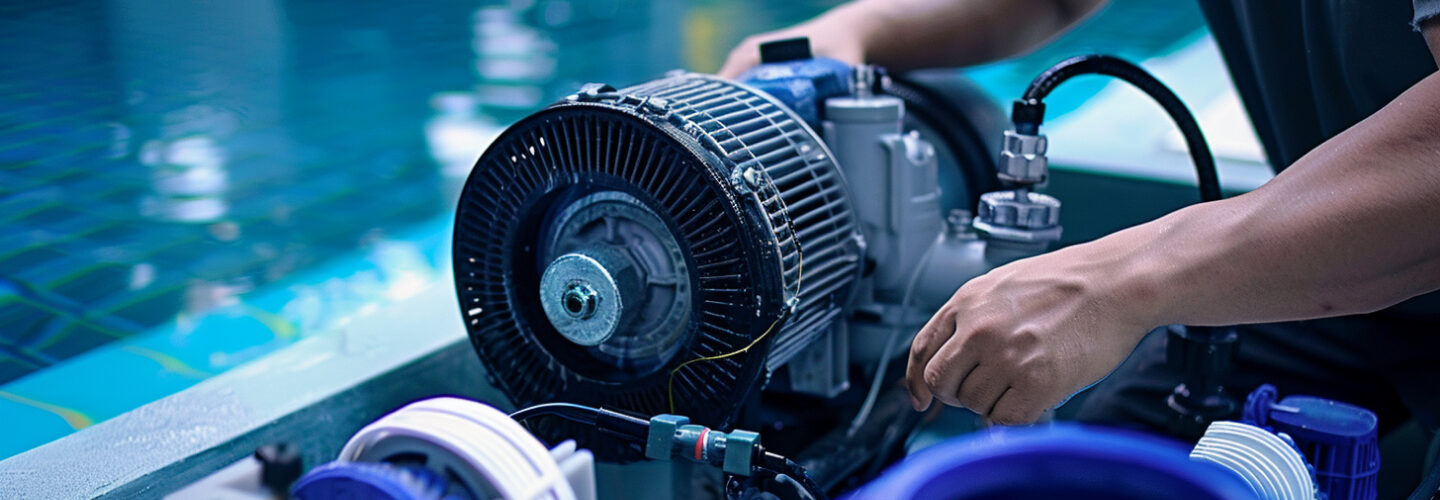
Equipment noises such as screeching, grinding, gurgling, or sudden silence can mean a pump, heater, or filter is starting to have issues. These sounds should be paid attention to when they start, along with any equipment that won’t turn on or run inconsistently.
Routine checks can help catch some of these problems early, but once you’re hearing strange noises, a professional can diagnose the cause and determine whether the equipment can be repaired or needs to be replaced.
Filtration Problems
Filtration problems usually show up as cloudy water, visible debris, or algae despite regular cleaning, and they point to an underlying issue. Heavy pool use during Dallas’s long swim season adds strain on filtration systems over time, which is why routine checks matter.
Before calling in a professional, check that your pump baskets are clear and your filters are clean, since that resolves some issues on its own. If basic troubleshooting doesn’t fix it, it’s time to bring in a technician.
What Quick Fixes and Minor Repairs Cover
Quick fixes cover the small, common issues almost every pool owner runs into: a leaky pipe, a malfunctioning pool light, or a torn pool cleaner diaphragm. Clearing a jammed pump basket is usually routine troubleshooting rather than a repair, and it’s something you can do yourself before calling anyone in.
Some issues can be resolved during a single service visit, while others may require additional parts or follow-up work, depending on what a technician finds once they take a closer look.
What Major Repairs and Replacements Involve
Major repairs and replacements cover the bigger problems, such as cracked foundations, compromised pool structures, or full equipment overhauls that need a skilled hand and the right tools. A technician diagnoses the root cause first, then recommends a path forward, whether that’s advanced leak detection, resurfacing, or replacing outdated equipment.
These projects can take anywhere from a few days to several weeks depending on the scope, so go in with realistic expectations about the timeline and any downtime for your pool.
What Can Affect the Cost of Dallas Pool Repairs
Repair costs in Dallas vary based on several factors rather than any single one. Consider:
- The type and extent of the damage, since a minor light fixture replacement generally costs less than a structural crack repair or a full equipment replacement
- How urgent the fix is, since emergency response can carry a different cost than a scheduled repair
- How difficult the issue is to access, including whether equipment or plumbing is easy to reach or buried and hard to locate
- Whether the source of the problem is easy to diagnose or takes time to track down, which is especially true with leak detection, where locating the source can take longer than the repair itself once it’s found
A clear, itemized estimate upfront is the best way to understand what you’re paying for, and any reputable Dallas provider should walk you through the figures before touching your pool, not after the work is already done.
Choosing a Dallas Pool Repair Company
Choosing the right Dallas pool repair company comes down to a few factors that give you a clearer picture of who you’re working with. Ask about insurance coverage, since a provider without it can leave you covering the cost if something goes wrong during the job.
Licensing in Texas depends on the type of work, not a single blanket requirement. Routine cleaning and chemical balancing generally don’t require a state license, but according to the Texas Department of Licensing and Regulation, servicing pool-related electrical equipment, like pumps, heaters, lights, and automation systems, requires a Residential Appliance Installer License. Ask a provider what licensing applies to the specific work your pool needs.
Reviews and referrals can also help, but look beyond the star rating. Pay attention to how the company communicates, responds to concerns, and explains its work. A provider that gives you a written estimate and explains the reasoning behind it is a good sign you’re dealing with a company that takes the process seriously.
Routine Maintenance and Bigger Repairs
Routine maintenance can help identify problems early, but not everything, like hidden leaks, structural movement, or sudden equipment failures. Weekly maintenance can help notice a pump running louder than usual, a filter losing pressure, or a hairline crack sooner than you might catch it on your own. A pump that’s straining often gets louder before it fails, so a change in sound is worth noting.
Consistent maintenance can also reduce the chance that smaller chemistry or equipment issues develop into more costly problems, since small imbalances and early wear get corrected before they cause damage elsewhere in the system.
Poolie’s Approach to Dallas Pool Repair
Poolie’s approach to pool repair starts with diagnosing the actual cause of a problem before recommending work, rather than assuming a fix based on the symptom alone.
Its services cover cleaning, repair, and everything in between, so you’re not juggling multiple providers. Residential Weekly Cleaning keeps backyard pools balanced and swim-ready with a full routine every visit, including debris removal, brushing, vacuuming, and backwashing as needed, plus an email report after each visit. Commercial Cleaning runs two to three times a week for pools with heavier traffic. On repairs, technicians handle everything from minor tweaks to major overhauls, including leak repairs, system replacements, and equipment upgrades, so the same team that cleans your pool can also address what breaks.
Ready to Get Started with Poolie?
Whether you’re dealing with a specific issue or want a professional assessment of your pool’s condition, Poolie can help you understand what’s going on and what your options are.
Fill out the form below, and the Poolie team will walk you through an assessment of your pool and a recommended path forward. Your pool’s problems don’t have to become a recurring headache. Let’s figure out what’s going on and get it fixed.


